Waterproofing Tape: Complete Guide to Leak Repair, Types, Uses & Benefits
Waterproof tape is a strong, durable and typically self-adhesive barrier. It is a great choice for stopping water leaks, which does save cash on fixing damage. But what is this waterproofing tape? How does it work? Where do you use it? And why do most people trust it so much to repair leaks on roofs, patios, decks, and other places that suffer from water damage?
What Is Water-resistant Tape?
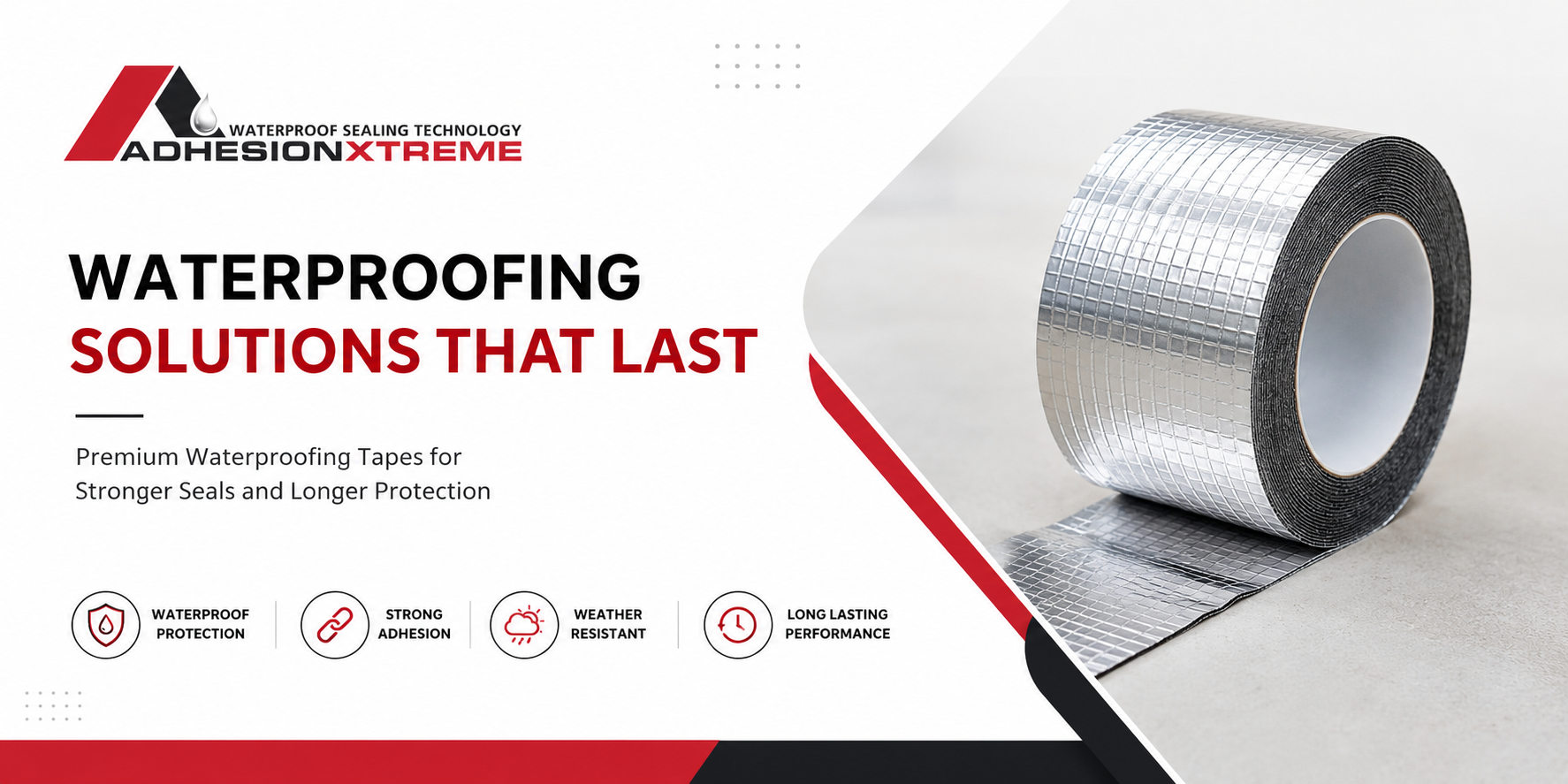
Waterproofing tape is a self-adhesive sealing tape designed to seal water, air, and moisture instantly. but may need curing time if it is a self-healing material.
Today’s tapes are made of
- Butyl rubber
- Bitumen compounds
- EPDM membranes
- Aluminum-faced coatings
- Synthetic waterproofing layers
These materials provide flexibility and weather resistance and last for years, making them some of the most dependable waterproofing products for leak repair available today.
Where to use:
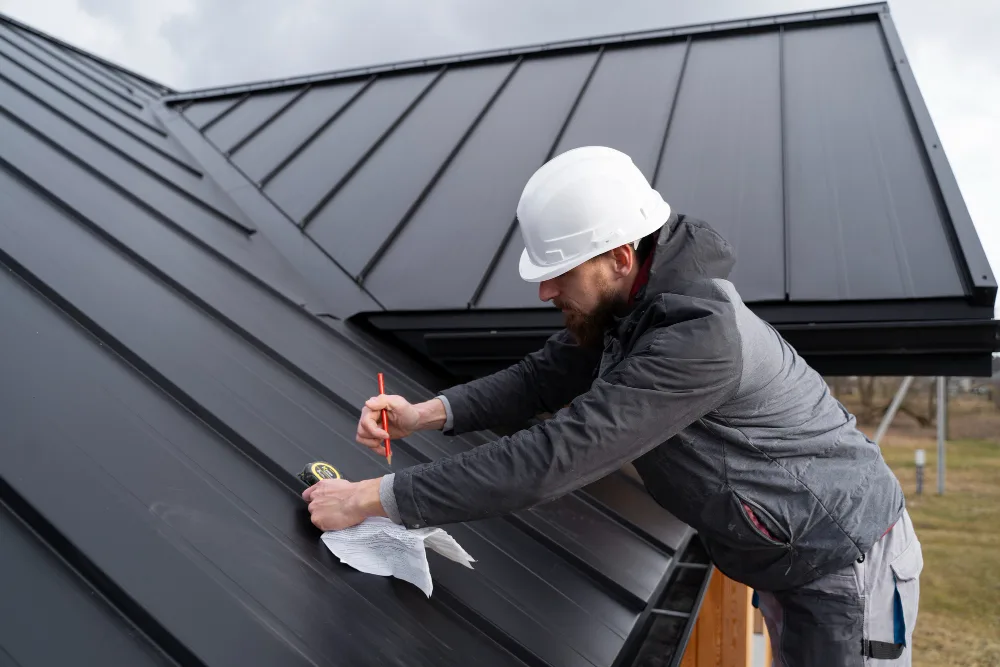
- Fixing roof leaks
- Balcony waterproofing
- Terrace protection
- Caravan maintenance
- RV roof sealing
- Modular housing
- Flashing systems
- Skylights
- Metal roofs
- Window installations
Is Waterproofing Tape Permanent?
When properly applied, a good quality waterproofing tape will offer protection for many years. The life expectancy varies, however, depending on surface preparation, weather exposure, UV resistance and product quality.
Many waterproofing failures are not caused by the failure of the tape to perform but rather because the tape was applied to a dirty, dusty or damp surface.
How Does Waterproofing Tape Work?
Waterproofing tape works by providing a flexible waterproof barrier over a damaged surface in order to keep water from leaking to the areas underneath.
1. Strong bonding to a variety of surfaces
- Concrete
- Metal
- Wood
- PVC
applied correctly.
2. It Makes a Smooth Waterproof Seal
Most leaks start right from where the two surfaces join:
- Roof seams
- Expansion joints
- Flashings
- Pipe penetrations
- Skylight edges
- Fastener locations
3. It Handles Building Movement
Buildings are constantly moving.
Construction materials change in size throughout the year due to the rise and fall of temperature.
Conventional fillers can break during the stress.
These movements can easily be handled by premium waterproofing tapes without compromising on flex and stickiness.
This property makes them suitable waterproofing materials for leak repair in the regions where temperature, vibration and weather changes are involved.
Types of Waterproofing Tape
Butyl Waterproofing Tape
Butyl tape is highly flexible.
Once you press it down, it fills every tiny gap. This creates a watertight seal designed to prevent water from getting through.
Where to use it
- Roof repairs
- Metal joints
- Flashings
- Caravan roofs
- Window installations
Its elasticity allows it to remain effective even when structures experience movement.
Bitumen Waterproofing Tape
Bitumen tapes are popular for heavy-duty waterproofing applications.
They used on:
- Concrete surfaces
- Foundations
- Balconies
- Terraces
- External walls
Immediate Protection
Unlike liquid coatings that need time to cure, waterproofing tape provides instant waterproofing performance after application.
This is particularly beneficial during emergency roof repairs.
Cost Savings
Addressing leaks early can prevent expensive repairs involving:
- Ceilings
- Insulation
- Interior finishes
- Structural supports
Preventative maintenance often costs significantly less than large-scale restoration.
What Is the Best Tape for Roof Leak Repair?
The best waterproofing tapes will have a thick layer of butyl and exhibit ultra-strong bonding characteristics. Butyl waterproofing tapes are popular for their flexibility, adhesion, and weather-resistance properties.
Waterproofing tape has become one of the most practical waterproofing products for leak repair because of its numerous advantages.
Fast Installation
Most other products require tools.
Weather Resistance
Good waterproofing tapes are built to withstand the following:
- Rain
- Humidity
- UV exposure
- Temperature changes
- Wind-driven moisture
Good quality tapes keep working even through bad weather for many years.
Common Applications of Waterproofing Tape
Waterproofing tape serves a wide range of industries and building types.
Popular uses include:
Roof Leak Repairs
One of the most common applications. Tapes help seal damaged seams, flashing details, vents.
Terrace Waterproofing
Terraces frequently experience standing water. Reinforcing joints and vulnerable areas reduces the risk of leakage.
Balcony Protection
Waterproofing tape strengthens transitions around drainage systems and edge details.
Modular Housing
Prefabricated structures depend heavily on effective sealing systems during transportation and assembly.
Caravan and RV Maintenance
Movement causes seals to weaken over time. Flexible waterproofing tapes accommodate vibration while maintaining waterproof performance.
Installation Tips: Most Guides Skip Mentioning
Good surface preparation matters before installation.
Before installation:
- Clean surfaces thoroughly.
- Remove grease and dust.
- Ensure adequate overlap.
- Apply steady pressure.
- Avoid stretching the material.
- Follow manufacturer temperature recommendations.
Choosing Reliable Waterproofing Products for Leak Repair
Keep that in mind When comparing waterproofing systems:
- Adhesion strength
- UV stability
- Flexibility
- Temperature resistance
- Service life
- Compatibility with existing materials
Investing in high-quality waterproofing products for leak repair provides better long-term protection and minimises maintenance expenses.