Most roof leaks don’t start with a dramatic crack or a fallen tile. They start with something much smaller — a tiny gap at a seam, a bit of dried-out caulk around a vent pipe, or a flashing joint that shifted just enough after last winter.
You don’t notice it right away. Then one rainy afternoon you spot a damp patch on your ceiling, and by then the water has already been sitting somewhere inside your roof for weeks.
That’s the frustrating thing about roof leaks. The damage shows up long after it starts.
The Spots That Actually Cause Problems
A roof isn’t one flat surface. It’s got joints, edges, penetrations — places where different materials meet. Around chimneys. Along the ridge line. Where vent pipes come through. Where the gutter connects to the fascia.
These joints are where water gets in. Not through the tiles or the membrane itself, usually — through the gaps where things connect.
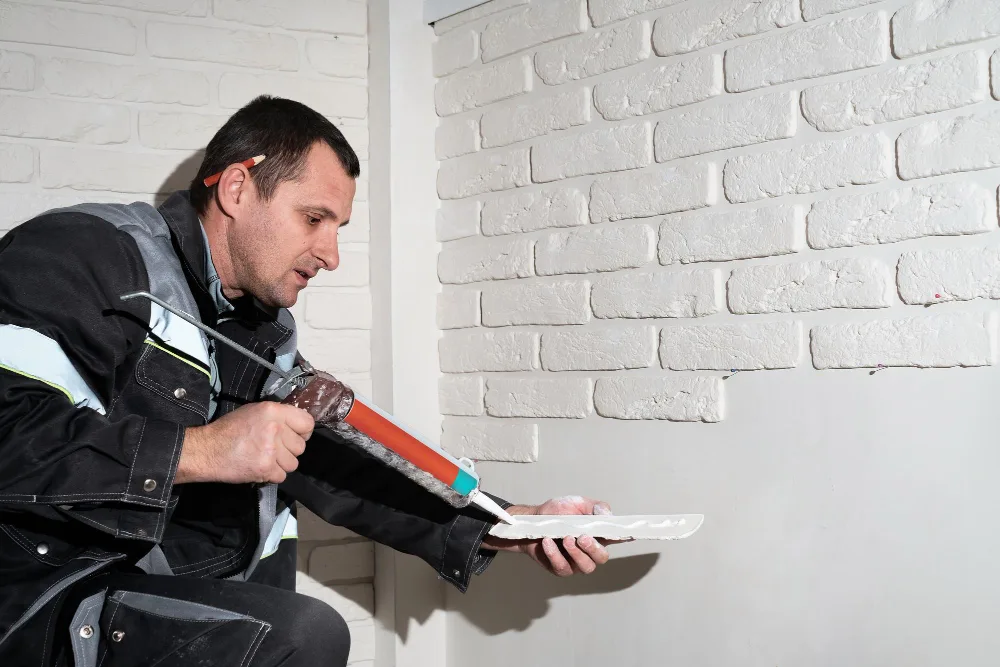
Old-school solutions like roof cement and caulk work for a while. But they dry out. They crack in summer heat. They lose grip when the roof expands and contracts through the year. Eventually there’s a gap, and water takes the path of least resistance.
Waterproofing tapes bond directly to the surface and stay flexible. They move with the roof instead of cracking against it. That’s honestly why they’ve become the go-to for professional roofers over the last several years.
Not All “Waterproof” Tapes Are the Same
This is where people get caught out. You can buy a cheap tape that says waterproof on the packaging, stick it over a join, and feel like the job is done. Six months later it’s peeling at the edges, and water is finding its way through anyway.
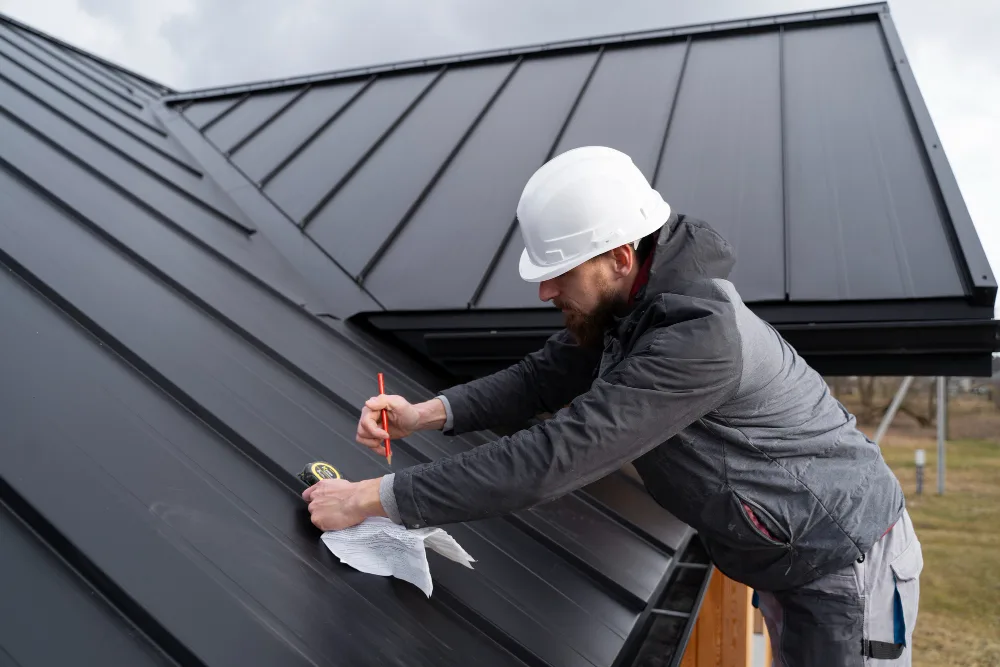
A tape that actually holds up on a roof needs to handle UV exposure without breaking down, stay bonded through temperature swings, and stretch a little without losing its seal — because roofs flex, especially metal ones.
Butyl-based tapes generally handle this better than basic acrylic options. The adhesion is stronger, and they don’t go brittle in the sun the same way. Products at Adhesion Xtreme are made specifically for these kinds of heavy-duty applications — not general-purpose tapes rebranded for roofing.
Where You Actually Apply Them
Flashing joints are probably the most common repair point. Where metal flashing meets the roof surface or a wall – that joint dries out and gaps over time. A proper strip of waterproofing tape over it seals it back up cleanly.
Around roof penetrations — pipes, vents, skylights — the perimeter is always a weak spot. Tape around the base of each one creates a continuous barrier instead of relying on sealant that’ll shrink and crack.
On flat roofs, the expansion joints need special attention. Flat roofs move more than pitched ones, so the tape there needs real stretch capacity to stay sealed day after day.
And sometimes — honestly — you just need a temporary fix while you wait for a proper repair. A quality waterproofing tape applied correctly can hold for months, not just days.
The One Thing That Ruins a Good Tape Job
Surface prep. That’s it. That’s the thing people skip or rush.
Dust, moisture, old sealant residue — any of it stops the tape from bonding properly. It looks fine at first. Then it starts lifting at the corners, and water gets underneath, and you’re back where you started.
Clean the surface. Dry it completely. Check the temperature — some tapes won’t adhere below a certain temperature, and applying them on a cold morning can cut their lifespan significantly. Press the tape down firmly along the whole length, especially at any corners or overlaps.
It takes a bit longer. It’s the difference between a repair that lasts years and one that needs redoing before the next monsoon.
Why This Matters More Than It Seems
A slow leak that nobody fixes doesn’t stay slow. Water gets into timber framing, into insulation, and under plaster. Then you’re dealing with mould, rot, and structural repairs – costs that multiply fast.
Sealing the joints and penetrations properly — either during a re-roof or as part of annual maintenance — is one of those things that saves a lot of money quietly, in the background, by preventing problems that never happen.
You won’t notice a good waterproofing job. That’s exactly the point.
For heavy-duty waterproofing tapes built for roofing — visit adhesionxtreme.com